
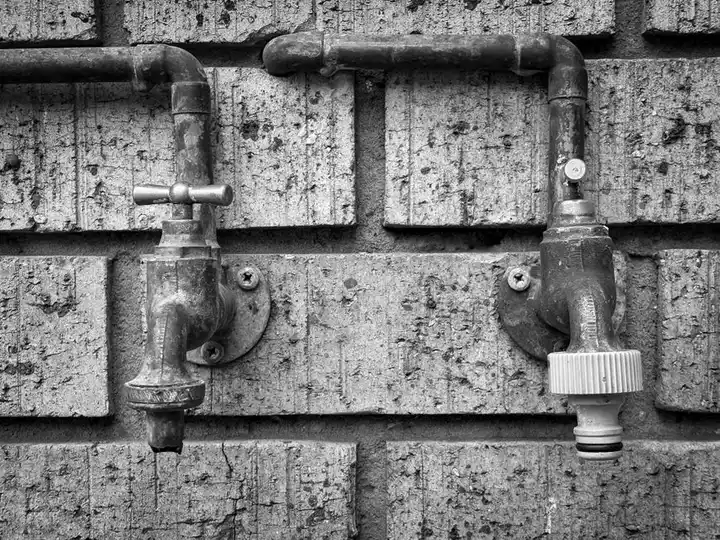
In Michigan, the homeowner is usually responsible for a frozen water service line running from the home to the water utility's designated connection point, while the utility handles its water main and utility-owned equipment. The exact boundary depends on the local water department's rules, so call the utility first to identify the frozen section and confirm who owns it.
That distinction matters during a freeze: the utility can check its main and tell you where its responsibility ends, but a private service line often needs a plumbing contractor. The homeowner responsibility for frozen water service line questions are especially common during Michigan's October-to-spring freeze season, when a line that was flowing yesterday can stop overnight.
Who is responsible for a frozen water line in Michigan is a property-and-utility ownership question that determines who arranges and pays for thawing or repair when a service pipe freezes. We'll explain how to find the likely boundary, what to report, and how to protect your home while the line is assessed.
Who is responsible for a frozen water line in Michigan?
For a Michigan home, the property owner usually maintains the private water service line, and the local water utility maintains its distribution main and the equipment it owns. The utility's service rules or a written ownership map-not a general statewide curb rule-settle the boundary for your address.
In many systems, the service line runs from a water main in the street to the building, passing a curb stop or corporation stop along the way. A curb stop is an operating valve, not automatic proof that the utility owns every pipe on one side or the other. Some municipalities assign the customer the full service from the main connection to the house; others split ownership at a defined point.
That is why the answer to "does the homeowner or water utility repair a frozen service line?" begins with a call to the water department. Ask where the utility's responsibility ends, whether it has checked the main, and whether its crew can confirm the freeze location. Our team handles private-side diagnosis and repair, and Frozen Pipe Repair in Michigan is the service homeowners call for help restoring flow and preventing a thawed line from leaking unnoticed.
Water bills, closing documents, a municipal service card, or a prior repair invoice may identify the material and route. If you cannot find records, the water department can often check its service file or direct you to the right public works office.
Where does homeowner responsibility usually begin?
Homeowner responsibility for a frozen water service line usually begins at the ownership point set by the local water provider, which can vary by Michigan municipality. Your deed's lot line does not automatically define that point; water pipes commonly cross public easements or road rights-of-way.
Look for a service-line diagram or ask the utility for its service rules. Request a plain description of the owner boundary and the location of the curb stop, meter, and service connection. If the pipe crosses a public road, ask specifically whether the utility or the property owner maintains that crossing.
Older homes can have legacy service materials and undocumented repairs, so do not assume the pipe follows a straight route from the meter to the street. In some neighborhoods, a service may angle across a lot or connect to a main on the opposite side of the road. The utility's records and a plumber's locating equipment can narrow down the route without guessing from the driveway.
Michigan Frozen Pipe Pros serves homeowners across the state, including older housing areas where buried services and updated interiors meet. Winter conditions in Frozen Pipe Repair in Detroit calls for careful diagnosis of both the private pipe and the utility connection, rather than assuming a freeze is inside the basement.
How do you identify which part of the line froze?
A frozen residential service line often leaves the entire home without water, while a frozen interior branch usually affects one fixture or one area of the house. The pattern helps locate the problem, but the utility or a plumber must confirm the actual freeze point.
Check several cold-water taps, including a faucet on the lowest floor and one near the water meter. If all taps are dry, the trouble may be at the service entry or farther upstream; if one faucet has no flow while others work, suspect a branch pipe serving that fixture. A slow trickle can also signal a partial ice blockage.
Note whether neighbors have water. If multiple homes on your block lose service at once, a public main break, utility shutdown, or area-wide issue deserves immediate attention. If only your home is affected, tell the utility that when you call.
Useful clues include:
- Whether every cold tap has stopped or only one fixture.
- Whether nearby homes still have normal water pressure.
- Whether the meter or exposed service pipe feels unusually cold or shows frost.
- Whether you hear running water or see damp soil, ice, or a new puddle near the route.
Do not open a meter pit or dig in a suspected service route. Utility equipment can be damaged, and thawing a buried pipe without locating the ice blockage can create a leak that remains hidden underground.
What should you do when your service line freezes?
When a Michigan service line freezes, call the water utility first, protect the home from water damage, and arrange professional diagnosis if the utility confirms the freeze is on the private side. A prompt ownership check prevents you from waiting for the wrong crew.
Use this sequence:
- Call the water department's emergency or after-hours number and report the address, loss of flow, and whether neighboring homes are affected.
- Ask the utility to check for a main problem and explain the ownership boundary for your service connection.
- Locate your interior main shutoff and make sure you can reach it. If a pipe bursts or begins leaking as ice thaws, close the valve and call for repair.
- Open the affected faucet slightly, but do not apply an open flame or high heat to a pipe.
- Arrange professional thawing and inspection if the private line is frozen or the blockage location remains unclear.
A homeowner with a verified, accessible indoor freeze may gently warm the room and exposed pipe with a hair dryer, keeping the dryer and hands away from standing water. Never use a torch, propane heater, charcoal burner, or boiling water; these methods can start a fire, damage a pipe, or expose you to carbon monoxide.
Our technicians use controlled methods to thaw accessible piping and check for splits after water starts moving. For a buried service or a freeze near the street connection, Frozen Water Main Repair in Michigan starts with identifying whether the affected section is a private service line or utility main before repair work proceeds.
Common mistakes that delay a frozen-line repair
Michigan homeowners lose time and risk additional damage when they assume the curb, property line, or meter automatically determines responsibility. A single call to the water department can establish the local rule and whether the public system has a problem.
A few other missteps are worth avoiding:
- Waiting for warmer weather: Ice can expand and split a pipe, and the leak may appear only when the line thaws. A frozen line deserves attention now, not after the next warm spell.
- Using a torch or open flame: Direct flame can ignite nearby materials or overheat a pipe. Use only safe, controlled warming on an exposed pipe, or leave thawing to a professional.
- Assuming no water means no leak: A break in a frozen line may be hidden beneath snow, a slab, or soil. Watch for a water meter that moves when every tap is closed, unexplained wet ground, or a new drop in pressure.
- Digging before locating utilities: Call 811 before digging in Michigan. The service marks participating public utilities, but private service piping beyond the marked boundary may need separate locating.
- Turning water back on without checking: Once flow returns, inspect accessible pipes and the meter area for moisture. A line can start leaking as the ice plug melts.
Keep a record of the utility representative's name, the time you called, and any instructions about the boundary. That information makes the handoff to a plumber clearer and helps avoid duplicate troubleshooting.
When should you call a professional?
Call a Michigan plumbing professional when a service line remains frozen after the utility rules out a main problem, when the ice is in a buried pipe, or when a thawed line leaks. A plumber can locate the affected section, thaw it with controlled equipment, and test for damage before leaving.
Call the water department first if the whole home has no water, several neighbors have lost service, or you suspect a freeze under a public road. The utility can check its main and explain whether the road crossing is customer-owned or utility-owned. If water is actively leaking inside, shut off the home's main valve and call for emergency repair rather than waiting for the ownership question to resolve.
Repair cost depends on access, pipe material, depth, distance, and whether excavation or replacement is needed; there is no reliable one-price figure for all Michigan service lines. For a straightforward exposed-pipe thaw, the visit is very different from replacing a buried line beneath a driveway. We explain the repair and price before work starts.
Michigan Frozen Pipe Pros can help determine whether the problem is an indoor pipe, a private service line, or a leak that appeared during thawing. If you have no water now, tell us what the utility has already checked and whether any fixtures still run.
Frequently Asked Questions
Is the homeowner responsible for a frozen water service line in Michigan?
Usually, yes: the homeowner maintains the private service pipe up to the ownership point set by the local water utility. The exact dividing point differs by municipality, so call your water department and ask it to identify the customer-owned section for your address before arranging repair.
When is the water utility responsible for a frozen main?
The utility is generally responsible for its distribution main and the equipment it owns, but its service rules define the exact boundary. If neighbors also have no water or the utility confirms a main freeze, report it to the water department's emergency line rather than hiring a private plumber to excavate the public main.
Who should I contact first about a frozen water line?
Call your local water utility first, especially if the entire home has lost water. Ask whether the main is operating and where its responsibility ends. If the utility rules out a main issue or identifies the private side, contact a plumbing contractor to locate and thaw the service line safely.
Does responsibility change if the pipe freezes under a public road?
Not automatically. A road crossing may still be a customer-owned service line, depending on local rules and the recorded connection arrangement. The water department should confirm who maintains that segment; do not excavate the roadway or assume the utility must repair it solely because it lies beneath public pavement.
How can I find the property boundary for a frozen water pipe?
Ask the water department for its service-line map, ownership policy, or connection record, then compare that information with your property survey and prior plumbing records. A lot line alone does not settle pipe ownership, especially where an easement or road crossing is involved.
Get help with Frozen Pipe Repair in Michigan
If your water has stopped or a frozen service line is leaking as it thaws, we can help locate the problem and restore safe flow. Call Michigan Frozen Pipe Pros at +12313851143 for help with Frozen Pipe Repair in Michigan.