
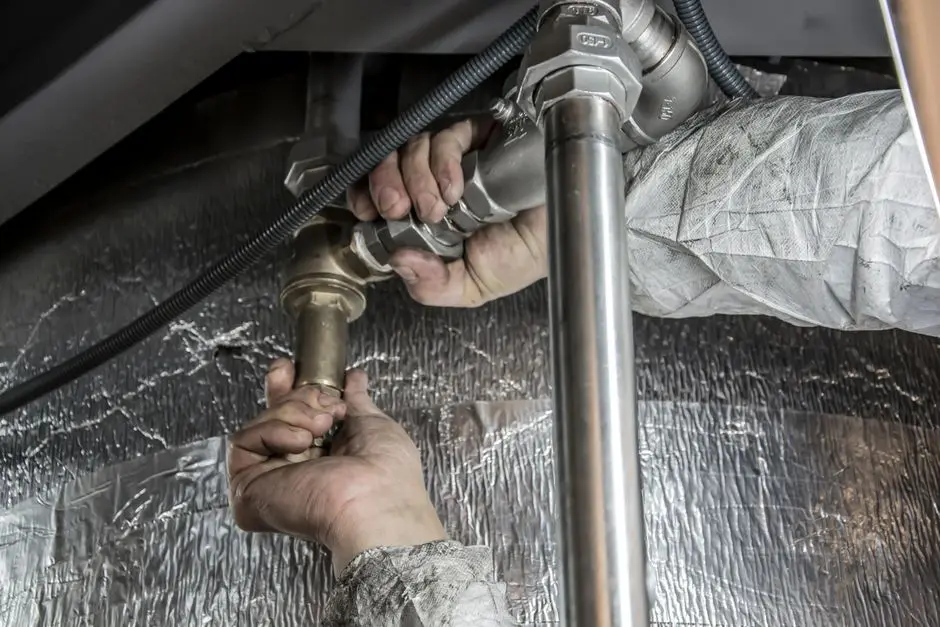
A frozen water line has low pressure because ice narrows the pipe's open passage, restricting how much water can reach a faucet or fixture. Even a partial ice blockage can cause a sharp drop in flow before the pipe freezes completely or splits. In October, as Michigan temperatures begin falling toward freezing, checking exposed plumbing now can help you avoid a winter service call. This guide explains what the pressure change means, how to identify a likely freeze, and what you can safely do next.
Low water pressure from a frozen water line is a flow restriction that needs prompt attention before expanding ice damages the pipe. Our team at Michigan Frozen Pipe Pros locates affected sections, thaws them safely, and checks for leaks so you can get normal water service back.
Why does a frozen water line cause low water pressure?
A frozen water line causes low pressure in a Michigan home because ice takes up space inside the pipe and leaves less room for moving water. The restriction works like a pinched drinking straw: water may still pass, but the faucet delivers a weak stream.
Water expands by roughly 9% as it freezes. That expansion can press against the pipe wall, while ice forming inside the bore reduces the area available for flow. A narrow supply pipe, a long run, or a partially frozen section makes the pressure loss especially noticeable at the fixture.
A frozen water pipe causing low pressure does not always mean the whole house supply has frozen. One faucet may be weak while the rest work normally if the affected branch serves only that sink. If multiple fixtures on one side of the home lose flow, the blockage may be farther upstream.
Pressure readings can help distinguish a fixture issue from a line restriction. Typical residential systems often operate around 40-80 psi; a sudden, widespread drop below the home's usual reading during a hard freeze deserves investigation. The pressure at a faucet and the available flow are related, but they are not identical measurements.
How to tell if low water pressure is caused by a frozen pipe
You can suspect a frozen pipe when water flow drops suddenly during freezing weather and the affected plumbing runs through a cold, unheated space. The pattern of the symptoms often points toward the section that needs attention.
Look for these frozen household water supply pipe symptoms, especially after overnight temperatures fall below 32°F or a cold snap lasts more than a day:
- One faucet has a thin stream or no water while nearby fixtures still work.
- Several fixtures supplied by the same branch have reduced flow at once.
- A pipe feels unusually cold, has frost on its surface, or runs through an exterior wall, crawlspace, garage, or unheated basement.
- The pressure changed abruptly after a door was left open, a heating system failed, or a room remained closed and cold.
Start by checking both hot and cold taps at the affected fixture, then compare a sink on another floor or at the opposite end of the home. If only one faucet has weak flow, a clogged aerator or fixture valve is possible. If several taps change together, a frozen branch or supply line becomes more likely.
Michigan weather can shift quickly from a mild afternoon to overnight temperatures below 20°F. Homes with plumbing in exterior walls, older additions, or unheated crawlspaces face more exposure during those swings. We see these patterns across communities such as Frozen Pipe Repair in Grand Rapids, where wind and prolonged cold can leave vulnerable pipe runs without enough heat.
What to do when a frozen plumbing line reduces water flow
When reduced water flow from frozen plumbing appears, open the affected faucet slightly, protect the area from further cold, and check whether you can identify a safe, accessible frozen section. A small open stream relieves pressure as ice melts and gives you a visible sign that water is moving again.
Use these steps while you assess the problem:
- Keep the affected faucet open, using the side that has low flow. Do not force the handle or valve.
- Open cabinet doors under sinks and move stored items away from pipes so warmer room air can reach them.
- Raise the thermostat to a steady 68-70°F and open interior doors to warm cold rooms.
- If you can safely reach the frozen pipe, warm it gradually with a hair dryer on low or warm towels. Start near the faucet and work toward the colder section.
- Watch the pipe and nearby floor as water returns. Stop if you see a split, bulge, dripping, or water behind a wall.
Never use a torch, propane heater, charcoal stove, or other open flame to thaw plumbing. Keep electrical appliances and extension cords away from standing water, and do not heat a pipe you cannot see clearly. If the line is inside a wall or ceiling, professional Frozen Pipe Thawing in Michigan lets us apply controlled heat and monitor the line as it opens.
If the home will be empty during a cold spell, keep the heat on and set it no lower than 55°F. That setting does not guarantee every pipe stays warm, but it reduces the risk in normally heated spaces. Insulate exposed piping before the next freeze rather than waiting until water flow drops.
Common mistakes that can turn a freeze into a leak
Common mistakes during a Michigan pipe freeze include applying open flame, turning the heat off, and assuming the line is safe once water starts flowing. A frozen pipe can crack while blocked, then leak only after the ice plug melts.
Do not crank a faucet valve or repeatedly cycle a shutoff that feels stuck. Excess force can damage a fixture or an old valve. Likewise, do not use a space heater aimed at combustible materials, leave a hair dryer running unattended, or heat one small spot intensely; uneven heating can harm the pipe or nearby finishes.
When a thawed pipe starts leaking, shut off the home's main water valve if you can reach it safely. Many homes have a main shutoff near the water meter or where the service line enters the building. If you cannot locate it, or water is near electrical equipment, leave the area and call for emergency help.
Do not dismiss a partial blockage in a frozen water line because a trickle remains. A trickle confirms only that some water can pass; it does not show whether the pipe wall is intact. Keep checking for damp drywall, a wet ceiling, a musty smell, or a rising water-meter reading after all fixtures are off.
When to call a professional in Michigan
Call a Michigan plumber when you cannot reach the frozen section safely, water stops completely, more than one area loses service, or the line leaks after thawing. A professional can trace the affected supply, thaw it with appropriate equipment, and test the line under normal operating conditions.
Call promptly if you notice a bulging pipe, frost behind finished walls, water stains, a sudden meter movement, or a pressure drop affecting the entire house. If you suspect a burst, turn off the main water valve first when it is safe, then move belongings away from the leak. Never enter a flooded area with energized electrical equipment.
For many service calls, the work includes locating the cold section, controlled thawing, inspection for splits, and a flow check at the affected fixtures. Typical 2026 pricing in Michigan varies by access, emergency timing, and whether a damaged pipe needs repair; straightforward thawing may cost a few hundred dollars, while opening a wall and repairing a burst section can run several hundred dollars or more. We explain the work and pricing before starting.
Our team handles Emergency Frozen Pipe Repair in Michigan when a freeze threatens your water service or the line begins leaking. We also help homeowners in older neighborhoods and newer subdivisions alike; pipe exposure depends more on the route through the building than the home's age. If you are dealing with a persistent loss of water at a branch or service connection, our Frozen Pipe Repair in Michigan service starts with finding where the restriction or damage sits.
Frequently Asked Questions
Can a frozen water pipe cause low water pressure?
Yes. Ice can narrow a pipe's passage and reduce flow before it blocks the line completely. Affected pressure may be limited to one faucet, several fixtures on a branch, or the whole home if the main supply is involved. A sudden change during freezing weather is a strong clue, but a clogged aerator or valve can produce similar symptoms.
Should I turn off the water if a frozen line has low pressure?
Not automatically. If the pipe is intact and you are thawing a visible section, leave the affected faucet slightly open so pressure can escape as ice melts. Turn off the main water valve if you see a leak, a bulge, or signs of a burst pipe; call for help if the shutoff is inaccessible or water is near electricity.
How can I locate a frozen pipe in my home?
Start at the fixture with low flow and follow its supply pipes toward the main line, checking visible runs in cabinets, basements, garages, and crawlspaces. A cold or frosted section is a clue, but a frozen pipe behind a wall may not be visible. Compare other faucets to identify whether one branch or the whole supply is affected.
Can low water pressure mean a frozen pipe is about to burst?
Yes, a partial freeze can increase pressure in trapped water and stress the pipe, although low faucet pressure alone cannot predict a break. Treat a sudden drop during a freeze as urgent, especially with bulging, frost, or damp surfaces. Shut off the main valve if a leak appears, and do not use flame to thaw the pipe.
When should I call a plumber about a frozen water line?
Call promptly if water stops, the frozen section is inside a wall, the line shows damage, or safe warming does not restore flow within about 30-60 minutes. Call immediately for active leaking or water near electrical equipment. A plumber can locate the blockage, thaw it under control, and check for a hidden split.
Get help with Frozen Pipe Repair in Michigan
If a frozen water line has cut your pressure, Michigan Frozen Pipe Pros can locate the restriction, thaw the pipe safely, and repair damage before it spreads. Call +12313851143 for help.