

Residential Frozen Pipe Repair for Hartford Homes
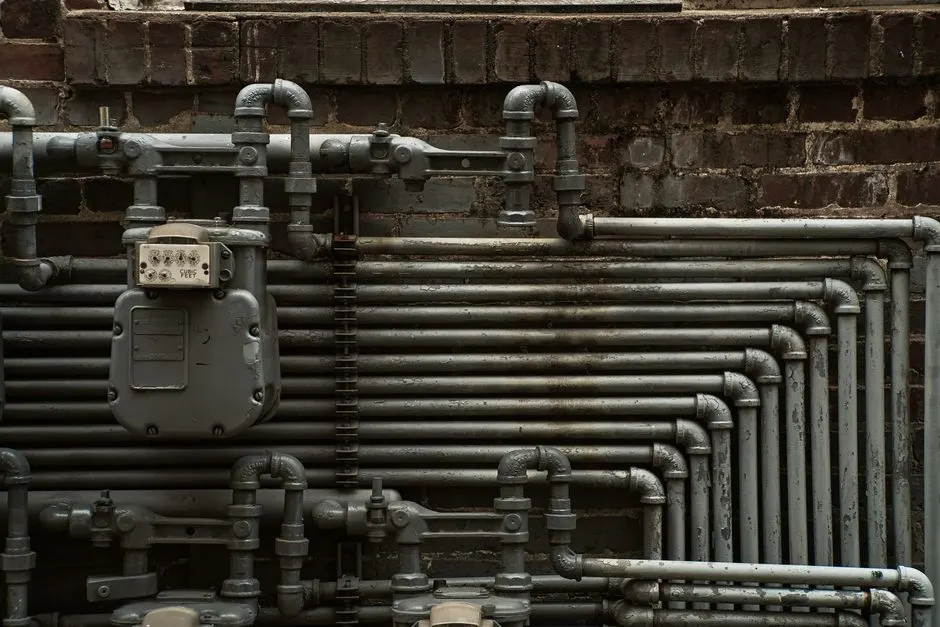
Hartford homes range from village houses and older basements to newer residences, additions, garages, and rural properties with well systems. Frozen pipes often show up first at a kitchen sink, bathroom, laundry area, or hose connection where a line crosses an unheated space. We ask which fixtures still work, locate the cold section, and check for a leak before restoring pressure. If a pipe has split, we replace the damaged section and inspect nearby fittings rather than relying on a surface patch. After the repair, we can install insulation sleeves or review heat cable where exposure remains. Our focus is getting your household water back and keeping a thaw-related leak from damaging floors, stored items, or finished rooms.
- Emergency home pipe thawing — If your Hartford home loses water during a freeze, we identify the affected branch and thaw it under control. We check the pipe and joints as flow returns, because ice can hide a crack. If the line is damaged, we isolate the supply and make a compatible repair before restoring service.
- Burst pipe replacement — A burst pipe in a basement, cabinet, or crawlspace needs prompt isolation and repair. We remove the failed material, fit a suitable replacement, and test the line for leaks. In Hartford homes, we also inspect nearby runs that share the same cold exposure so another weak joint is not overlooked.
- Water-line and well-line repair — For Hartford properties with low pressure throughout the home, we determine whether the frozen section is indoors, on the service line, or related to a private well. We trace accessible piping and verify water flow at multiple fixtures after repair. That helps separate a local faucet issue from a broader supply fault.
- Pipe insulation and heat cable — We address repeat freeze exposure in Hartford by fitting insulation where appropriate and reviewing the pipe's route, drafts, and power access. If heat cable is suitable, we install it according to product requirements and pair it with the right insulation arrangement. You get a prevention plan based on the vulnerable pipe, not a generic checklist.