

Residential Frozen Pipe Repair in Pleasant Ridge
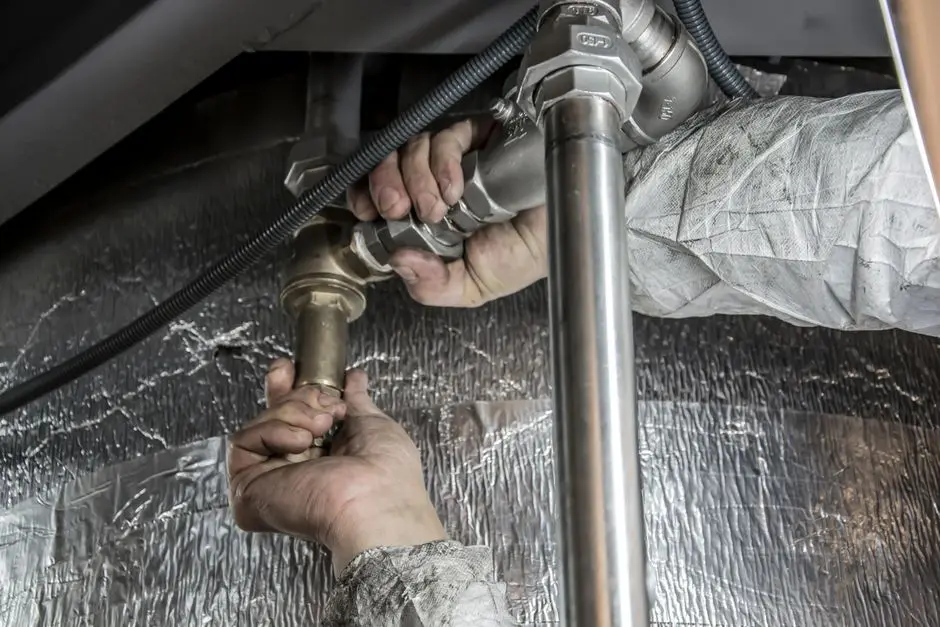
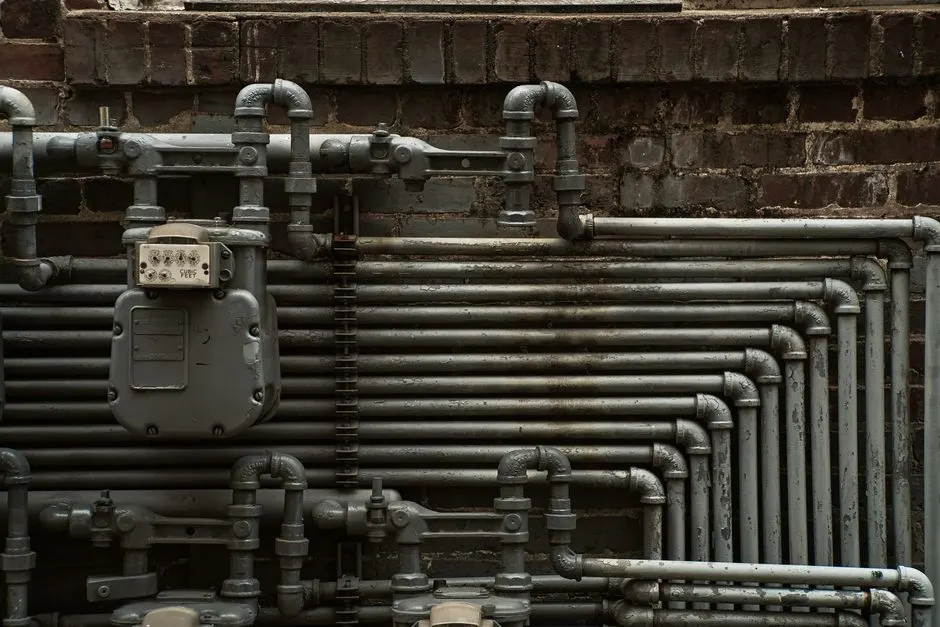
Pleasant Ridge homes include established houses, renovated interiors, and additions with plumbing routes that do not always follow the original layout. A frozen branch may be exposed in a basement or hidden behind a kitchen cabinet, and each needs a different access plan. We handle frozen pipe repair, leak repair, and prevention for homeowners who need water restored without overlooking a crack that appears during thawing. If your family has lost water during a cold night, we start by finding out which fixtures still work and whether a leak is active. We locate the shutoff, protect the work area, and inspect the affected pipe before applying heat. Once flow returns, we test the repair and explain how to reduce the chance of another freeze in the same spot.
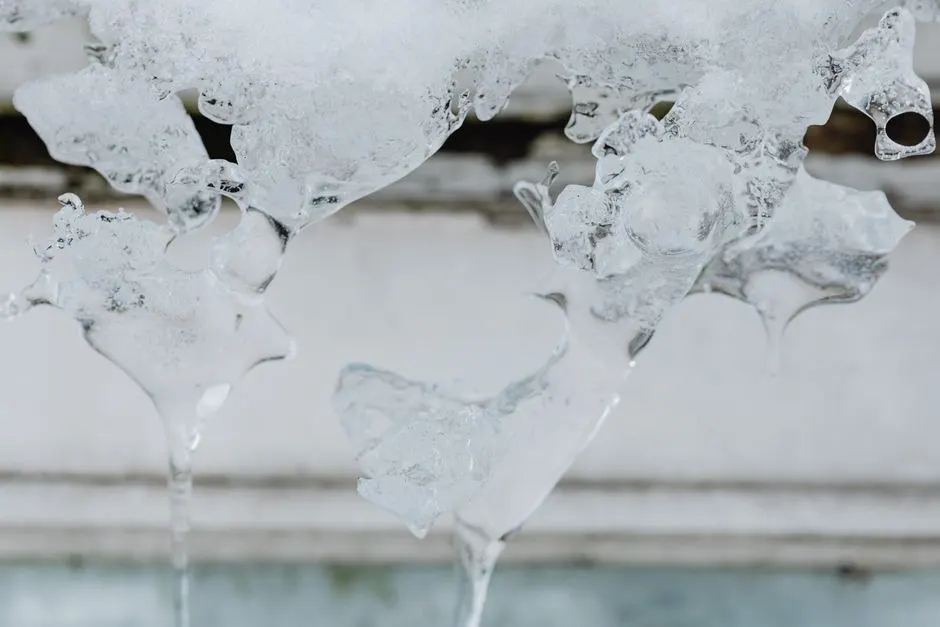
- Controlled home pipe thawing — We thaw frozen lines in Pleasant Ridge basements, garages, and exterior-wall areas with a controlled method suited to the pipe and its surroundings. We check flow as the ice clears and look for leaks before the line goes back into regular use. You get a clear account of the freeze point and any follow-up repair needed.
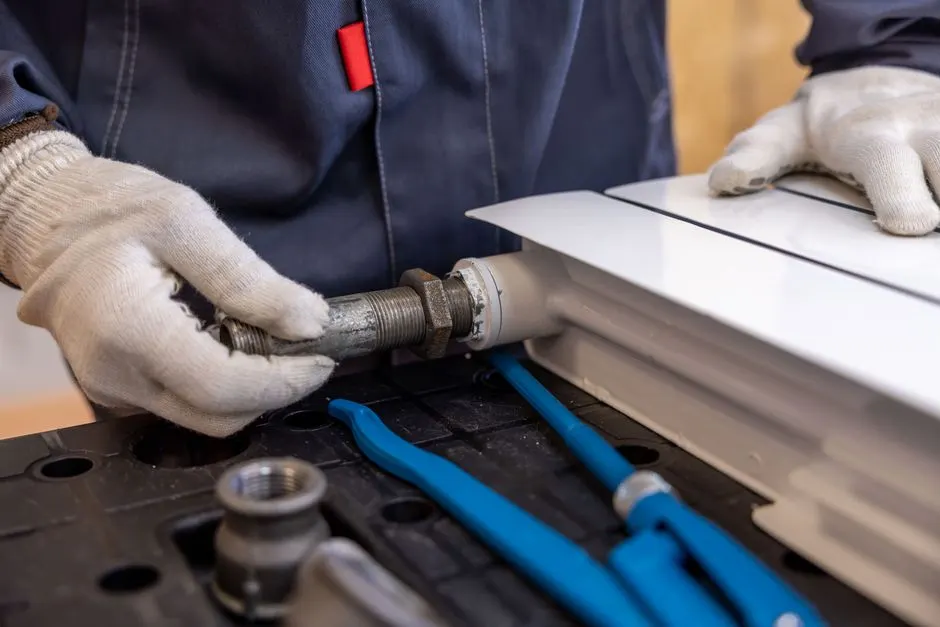
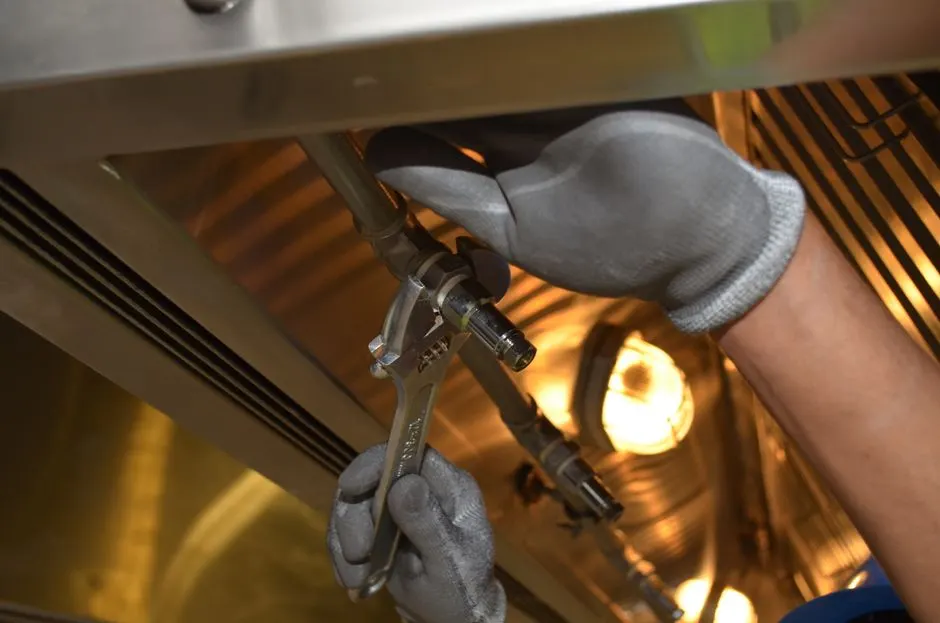
- Burst pipe replacement — If a Pleasant Ridge pipe split during a freeze, we shut down the affected supply and replace the damaged portion with compatible material and fittings. We check nearby joints for stress, then test the repair for leaks. If the break is near finished surfaces, we focus access on the area needed to make a sound repair.
- Leak and moisture checks — A thawed line can reveal water behind a cabinet, under a sink, or above a basement ceiling. In Pleasant Ridge homes, we inspect the pipe and nearby surfaces, using a moisture meter where useful. We stop the source first, then explain what plumbing repair is needed and whether damp materials require separate drying.
- Winter pipe protection — For recurring freezes, we inspect vulnerable pipe runs in your Pleasant Ridge home and identify drafts, missing insulation, or poor access. We can fit insulation sleeves and assess whether heat cable is appropriate for a persistently cold section. The goal is to protect the actual problem area, not cover every pipe without a reason.