

Residential Frozen Pipe Repair in Vicksburg
Vicksburg homes range from older village properties to houses with later additions, detached garages, and remodeled utility rooms. Each layout creates a different route for water lines, so we start by asking which taps still work and where the main shutoff is. A frozen bathroom branch may need a different repair from a garage supply or a well line serving the whole home. Michigan Frozen Pipe Pros thaws the affected section, repairs cracks, and checks the line before normal use resumes. If a pipe has leaked, we focus first on stopping water and limiting damage to floors, stored belongings, and finished rooms. We also help you prepare vulnerable lines before winter with insulation and heat cable where suitable. You get practical instructions tied to your home's actual plumbing, not a generic checklist.
- Home emergency pipe thawing — If a Vicksburg tap stops during a cold snap, we determine whether the freeze affects one branch or a shared supply. We thaw the accessible line carefully, check nearby joints as flow returns, and inspect for leaks before restoring normal use. Tell us which fixtures still run when you call.
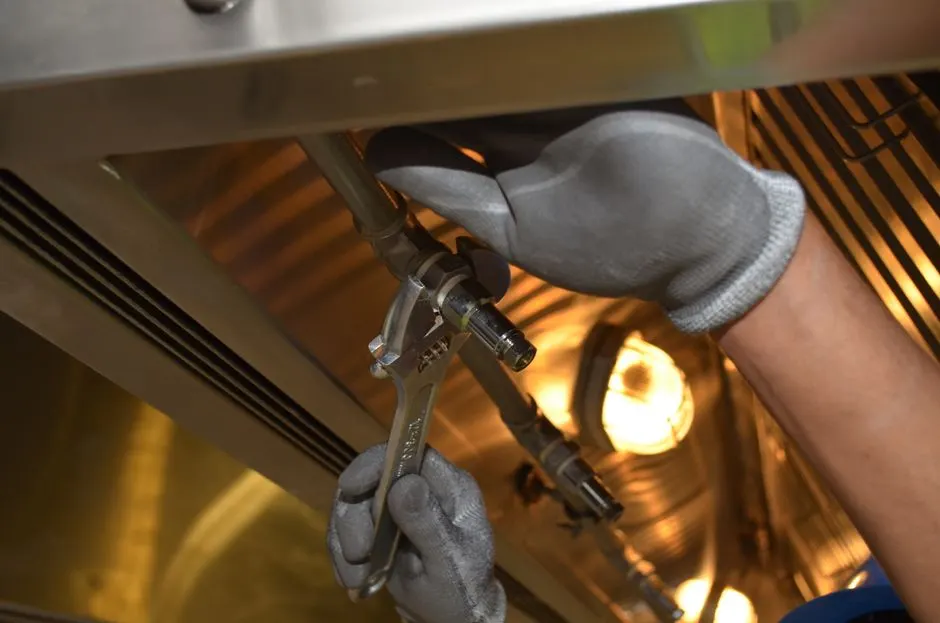
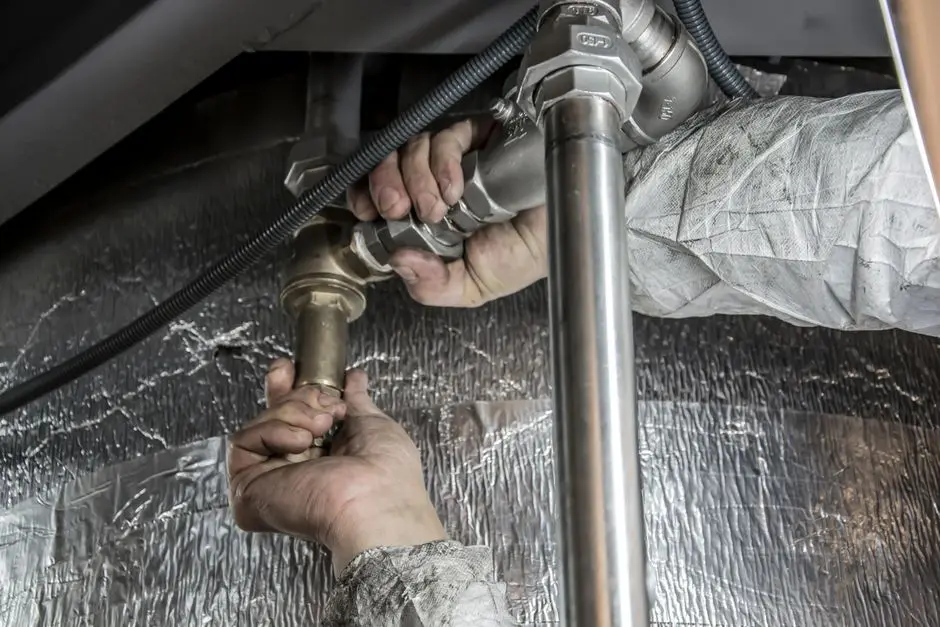
- Basement and garage pipe repair — In Vicksburg basements and garages, exposed supply lines can be reached more directly but remain vulnerable to cold air. We locate the frozen or cracked section, replace damaged material when needed, and test it. We can also identify insulation gaps around the pipe route.
- Water leak and burst repair — A burst pipe can soak a Vicksburg home's floor or ceiling before the source is obvious. We isolate the line, repair the failed section, and check pressure and fittings. If water has pooled nearby, we remove accessible standing water and help you identify the affected area.
- Seasonal freeze protection — Before winter in Vicksburg, we assess exposed plumbing and fit pipe insulation where it suits the location. If insulation alone is not appropriate, we can evaluate self-regulating heat cable and its installation requirements. The goal is to address the actual vulnerable route before temperatures fall.